

APrf Iain Searle
Associate Professor
School of Biological Sciences
College of Science
Eligible to supervise Masters and PhD - email supervisor to discuss availability.
Epitranscriptomics & Non-coding RNAs
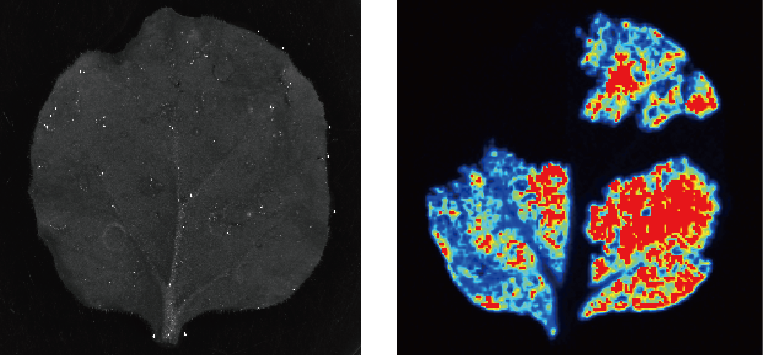
Although proteins are often considered the functional output of genes, approximately 99% of RNA molecules transcribed from plant genomes do not encode proteins. These non-coding RNAs, together with chemical modifications of RNA molecules, form powerful regulatory systems that control plant and animal growth, reproduction, adaptation, and evolution.
Our laboratory investigates the molecular mechanisms by which non-coding RNAs, RNA modifications, and epigenetic pathways regulate gene expression in plants using next-generation RNA sequencing, bioinformatics, molecular genetics, biochemistry and CRISPR genome editing, we uncover how plants integrate genetic, epigenetic, and environmental information to control developmental outcomes.
Our group has produced numerous high-impact publications in leading international journals on the biology of non-coding RNAs and RNA modifications. We were the first group to publish transcriptome-wide maps of RNA modifications in plants, helping establish the emerging field of plant epitranscriptomics. Today, our research continues to explore how RNA-based regulatory mechanisms can be leveraged to improve crop performance, resilience, and reproductive success.
Students joining the laboratory gain training in state-of-the-art genomics and genome engineering while addressing some of the most exciting questions in modern plant biology. Honours, Master of Research, MPhil, PhD and postdoctoral projects in epigenetics are available. Email me at, iain.searle@adelaide.edu.au, for further information.
Developing sustainable biocontrols for agricultural and horticultural diseases
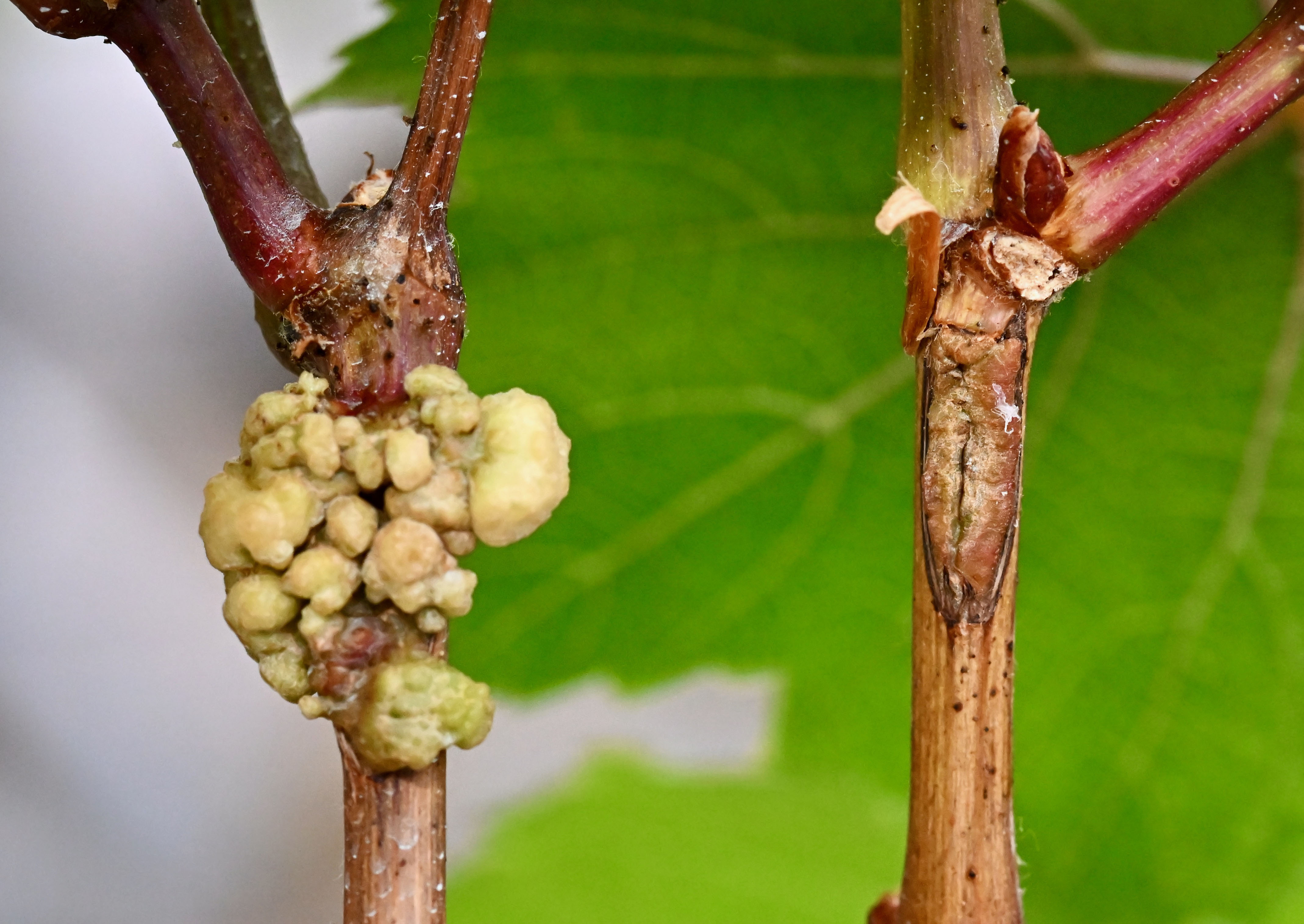
The development of environmentally sustainable alternatives to chemical disease control is a critical challenge for modern agriculture. Our research focuses on discovering and deploying beneficial microorganisms that protect crops from economically important bacterial and fungal diseases.
Our laboratory developed GTI-5813, the world's first biological control agent for grapevine crown gall disease, one of the most destructive bacterial diseases affecting grapevine nurseries and vineyards worldwide. GTI-5813 was engineered from the naturally occurring biocontrol strain Allorhizobium vitis F2/5 and successfully retains disease-suppressive activity while reducing undesirable tissue necrosis. The technology has progressed to commercial-scale field evaluation in partnership with industry and nursery stakeholders.
Relevant highlights include:
- Development of the GTI-5813 biocontrol strain for grapevine crown gall disease.
- Complete genome sequencing of the crown gall-inhibiting bacterium Allorhizobium vitis F2/5.
Featured news: Work on controlling crown gall disease bears fruit.
Honours, Master of Research, MPhil, PhD and postdoctoral projects in epigenetics are available. Email me at, iain.searle@adelaide.edu.au, for further information.
Sustainable crops for arid Australia
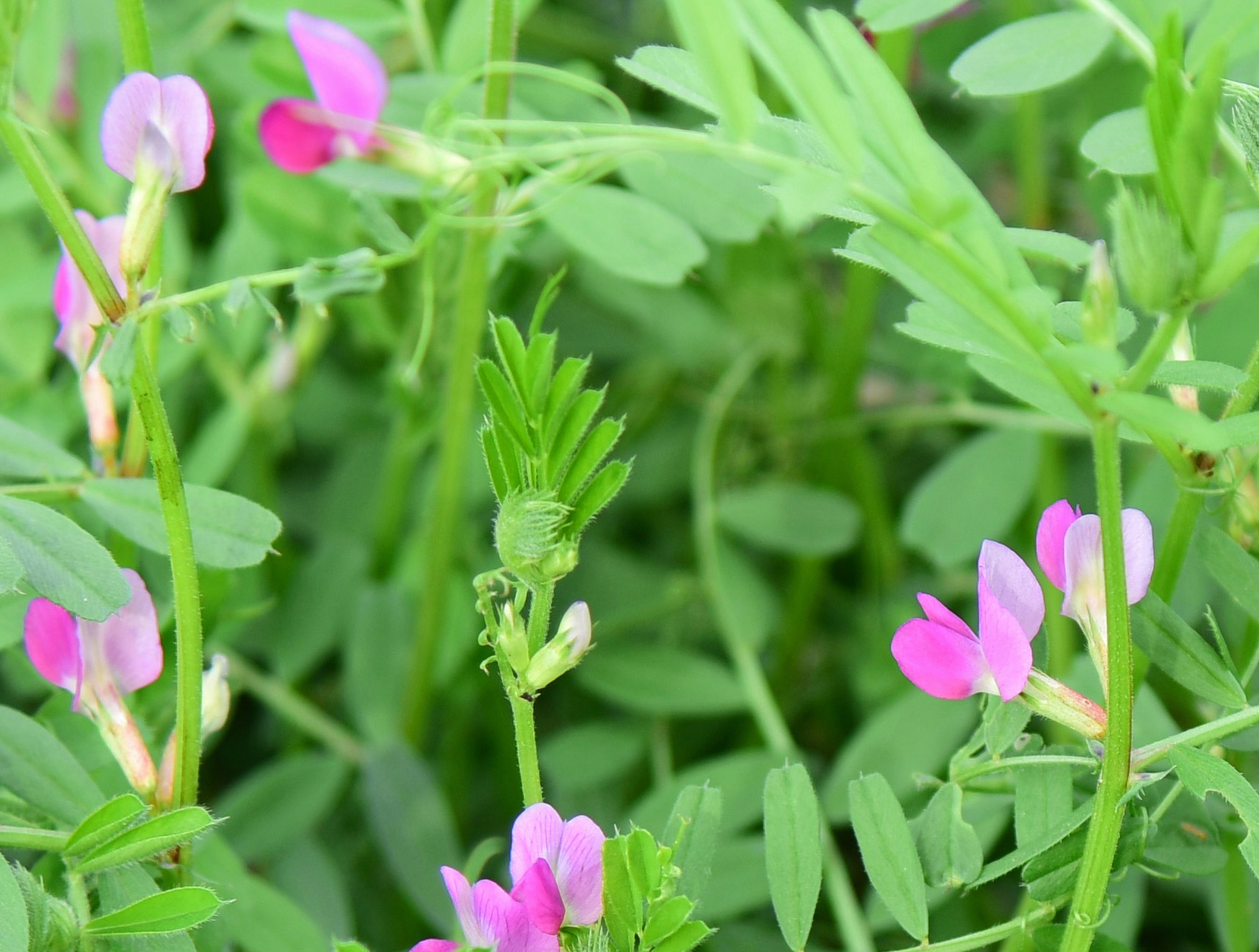
Ensuring food and fibre production under increasingly challenging climatic conditions is one of the defining agricultural challenges of the twenty-first century. Our research seeks to identify the genes, molecular pathways, and breeding technologies needed to develop crops adapted to drought, heat, salinity, and low-fertility environments.
A major focus of the laboratory is common vetch (Vicia sativa), a strategically important legume crop for low-rainfall farming systems. We lead the International Vetch Genome Consortium, which generated the first high-quality reference genome for common vetch and established genomic resources that are accelerating crop improvement globally.
Our group also leads the ambitious 1001 Vetch Genomes Project, which aims to capture the genetic diversity of vetch germplasm worldwide and identify naturally occurring alleles associated with agronomically important traits.
In addition to genomics, we pioneered the first efficient transformation system for common vetch and established CRISPR genome editing tools for functional genomics and trait development in this previously under-resourced crop. By integrating next-generation sequencing, bioinformatics, molecular genetics, and genome engineering, we are building the resources needed to transform vetch into a next-generation crop for sustainable agriculture in arid Australia.
Students working in this area participate in internationally collaborative research spanning crop genomics, biotechnology, breeding, and climate adaptation.
Relevant highlights include:
- Chromosome-level assembly of the common vetch (Vicia sativa) reference genome (2021)
- Genome‐Wide Association Study Reveals the Genetic Architecture and Key Drought and Yield Related Genes in Common Vetch (2026)
Honours, Master of Research, MPhil, PhD and postdoctoral projects in epigenetics are available. Email me at, iain.searle@adelaide.edu.au, for further information.
Pollination Mechanisms
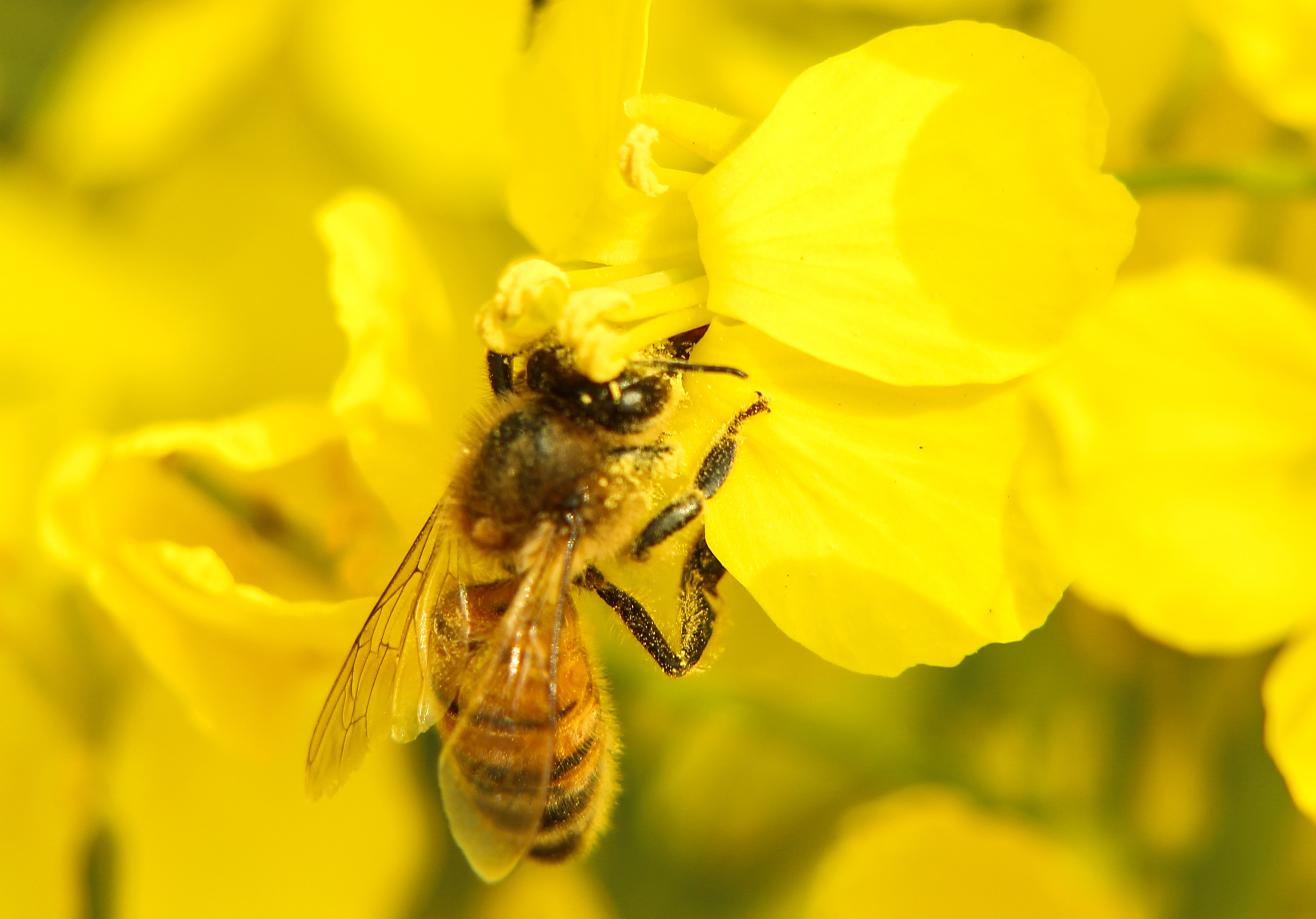
Outcrossing is a fundamental biological process that generates genetic diversity, drives adaptation, and underpins modern crop breeding. Understanding how plants promote cross-pollination provides opportunities to improve hybrid production systems and accelerate crop improvement.
Our laboratory investigates the genetic, molecular, and developmental mechanisms that regulate floral architecture and reproductive success. Combining molecular genetics, biochemistry, next-generation sequencing, bioinformatics, advanced microscopy, and CRISPR genome editing, we study how floral organs develop and function to maximise reproductive fitness.
A major recent breakthrough for the field from our group was the identification of the first gene shown to control stamen direction, revealing a novel mechanism regulating pollen presentation and outcrossing. This discovery has opened exciting new opportunities to understand reproductive evolution and to manipulate floral traits for crop improvement.
Our research sits at the intersection of developmental biology, cell wall biology, reproductive genetics, and agriculture, offering students a unique opportunity to work on discoveries that connect fundamental science with real-world applications. Within the field of plant development we have published in tope journals like Science, Genes & Development and The Plant Cell.
Honours, Master of Research, MPhil, PhD and postdoctoral projects in epigenetics are available. Email me at, iain.searle@adelaide.edu.au, for further information.
Student & Postdoctoral Success and Research Training
A central goal of our research program is to provide outstanding training opportunities for the next generation of plant scientists. Students in our laboratory are encouraged to develop independence, critical thinking, technical expertise, and strong scientific communication skills while working on research questions at the forefront of plant biology and agricultural innovation.
Our laboraty's students regularly present their work at national and international conferences and have been recognised through Dean's Commendations for Academic Excellence, competitive research scholarships, conference presentation awards, and postgraduate research prizes. Many have co-authored publications in leading international journals, reflecting the collaborative and high-performing culture of the laboratory.
We are committed to creating an inclusive and supportive international research environment where students can thrive academically and professionally. Whether pursuing careers in academia, biotechnology, agriculture, government, or industry, our laboratory's graduates leave with the skills, confidence, and international networks required to succeed.
The greatest measure of our success is the success of our students, and we take pride in seeing them develop into future scientific leaders. Graduating PhD students have had positions are prestigious global institutions like The University of Cambridge, The University of Nottingham (UK), The Laboratory for Molecular Biology (UK), The Max Planck Institute (Germany), been awarded prestigious postdoctoral research fellowships in Europe or Australia, or hold independent research positions in China, Vietnam or Europe.
Publications
Our group's publications are available here.
Contact
| Date | Position | Institution name |
|---|---|---|
| 2018 - ongoing | Senior Lecturer | University of Adelaide |
| 2014 - 2018 | ARC Future Fellow | University of Adelaide |
| 2009 - 2014 | ARC QEII Fellow | Australian National University |
| Language | Competency |
|---|---|
| German | Can speak and understand spoken |
| Date | Institution name | Country | Title |
|---|---|---|---|
| 2004 | University of Queensland | Australia | PhD |
| 1996 | University of Queensland | Australia | B Ag Sci Hons |
| Date | Title | Institution | Country |
|---|---|---|---|
| 2007 - 2009 | Wellcome Trust VIP Fellow | University of Cambridge | United Kingdom |
| 2006 - 2007 | Marie Curie Postdoctoral Fellow | The Sainsbury Laboratory | United Kingdom |
| 2002 - 2006 | Max Planck Postdoctoral Fellow | Max Planck Institute for Plant Breeding Research | Germany |
| Year | Citation |
|---|---|
| 2016 | Ashby, R., Forêt, S., Searle, I., & Maleszka, R. (2016). MicroRNAs in Honey Bee Caste Determination. Scientific Reports, 6(1), 15 pages. Scopus124 WoS109 Europe PMC82 |
| 2015 | Burgess, A., David, R., & Searle, I. (2015). Conservation of tRNA and rRNA 5-methylcytosine in the kingdom Plantae. BMC Plant Biology, 15(1), 199-1-199-17. Scopus107 WoS109 Europe PMC103 |
| 2015 | Liu, H., Searle, I., Mather, D., Able, A., & Able, J. (2015). Morphological, physiological and yield responses of durum wheat to pre-anthesis water-deficit stress are genotype-dependent. Crop and Pasture Science, 66(10), 1024-1038. Scopus78 WoS62 |
| 2015 | Liu, H., Searle, I., Watson-Haigh, N., Baumann, U., Mather, D., Able, A., & Able, J. (2015). Genome-wide identification of microRNAs in leaves and the developing head of four durum genotypes during water deficit stress. PLoS One, 10(11), e0142799-1-e0142799-30. Scopus50 WoS44 Europe PMC32 |
| 2013 | Cazzonelli, C., Vanstraelen, M., Simon, S., Yin, K., Carron-Arthur, A., Nisar, N., . . . Pogson, B. (2013). Role of the Arabidopsis PIN6 auxin transporter in auxin homeostasis and auxin-mediated development. PLoS One, 8(7), 1-14. Scopus77 WoS73 Europe PMC54 |
| 2012 | Campoli, C., Drosse, B., Searle, I., Coupland, G., & von Korff, M. (2012). Functional characterisation of HvCO1, the barley (Hordeum vulgare) flowering time ortholog of CONSTANS. The Plant Journal, 69(5), 868-880. Scopus146 WoS136 Europe PMC118 |
| 2011 | Gursanscky, N. R., Searle, I. R., & Carroll, B. J. (2011). Mobile microRNAs hit the target. Traffic, 12(11), 1475-1482. Scopus12 WoS11 Europe PMC9 |
| 2011 | Burgess, A., & Searle, I. R. (2011). The clock primes defense at dawn. Immunology and Cell Biology, 89(6), 661-662. Scopus4 WoS4 Europe PMC4 |
| 2011 | Indrasumunar, A., Searle, I., Lin, M., Kereszt, A., Men, A., Carroll, B., & Gresshoff, P. (2011). Nodulation factor receptor kinase 1α controls nodule organ number in soybean (Glycine max L. Merr). The Plant Journal, 65(1), 39-50. Scopus138 WoS129 Europe PMC110 |
| 2011 | Castro Marín, I., Loef, I., Bartetzko, L., Searle, I., Coupland, G., Stitt, M., & Osuna, D. (2011). Nitrate regulates floral induction in Arabidopsis, acting independently of light, gibberellin and autonomous pathways. Planta, 233(3), 539-552. Scopus174 WoS160 Europe PMC117 |
| 2010 | Searle, I. R., Pontes, O., Melnyk, C. W., Smith, L. M., & Baulcombe, D. C. (2010). JMJ14, a JmjC domain protein, is required for RNA silencing and cell-to-cell movement of an RNA silencing signal in Arabidopsis. Genes and Development, 24(10), 986-991. Scopus105 WoS100 Europe PMC97 |
| 2010 | Indrasumunar, A., Kereszt, A., Searle, I., Miyagi, M., Li, D., Nguyen, C. D. T., . . . Gresshoff, P. M. (2010). Inactivation of duplicated nod factor receptor 5 (NFR5) genes in recessive loss-of-function non-nodulation mutants of allotetraploid soybean (Glycine max L. Merr.). Plant and Cell Physiology, 51(2), 201-214. Scopus121 WoS114 Europe PMC94 |
| 2009 | Huang, L., Jones, A. M. E., Searle, I., Patel, K., Vogler, H., Hubner, N. C., & Baulcombe, D. C. (2009). An atypical RNA polymerase involved in RNA silencing shares small subunits with RNA polymerase II. Nature Structural and Molecular Biology, 16(1), 91-93. Scopus117 WoS106 Europe PMC102 |
| 2007 | Corbesier, L., Vincent, C., Jang, S., Fornara, F., Fan, Q., Searle, I., . . . Coupland, G. (2007). FT protein movement contributes to long-distance signaling in floral induction of Arabidopsis. Science, 316(5827), 1030-1033. Scopus1965 WoS1852 Europe PMC1573 |
| 2007 | Smith, L. M., Pontes, O., Searle, I., Yelina, N., Yousafzai, F. K., Herr, A. J., . . . Baulcombe, D. C. (2007). An SNF2 protein associated with nuclear RNA silencing and the spread of a silencing signal between cells in Arabidopsis. Plant Cell, 19(5), 1507-1521. Scopus255 WoS235 Europe PMC224 |
| 2006 | Searle, I., He, Y., Turck, F., Vincent, C., Fornara, F., Kröber, S., . . . Coupland, G. (2006). The transcription factor FLC confers a flowering response to vernalization by repressing meristem competence and systemic signaling in Arabidopsis. Genes and Development, 20(7), 898-912. Scopus788 WoS746 Europe PMC654 |
| 2006 | Corbesier, L., Vincent, C., Searle, I., Fomara, F., & Coupland, G. (2006). Analysis of the expression pattern of FT protein during flowering. COMPARATIVE BIOCHEMISTRY AND PHYSIOLOGY A-MOLECULAR & INTEGRATIVE PHYSIOLOGY, 143(4), S166. |
| 2005 | Berendzen, K., Searle, I., Ravenscroft, D., Koncz, C., Batschauer, A., Coupland, G., . . . Ülker, B. (2005). A rapid and versatile combined DNA/RNA extraction protocol and its application to the analysis of a novel DNA marker set polymorphic between Arabidopsis thaliana ecotypes Col-0 and Landsberg erecta. Plant Methods, 1(1), 15 pages. Scopus71 WoS66 Europe PMC64 |
| 2004 | Searle, I., & Coupland, G. (2004). Induction of flowering by seasonal changes in photoperiod. EMBO Journal, 23(6), 1217-1222. Scopus247 WoS226 Europe PMC166 |
| 2003 | Waldron, J., Peace, C. P., Searle, I. R., Furtado, A., Wade, N., Findlay, I., . . . Carroll, B. J. (2003). Randomly Amplified DNA Fingerprinting: A culmination of DNA marker technologies based on arbitrarily-primed PCR amplification. Journal of Biomedicine and Biotechnology, 2(3), 141-150. Scopus23 Europe PMC16 |
| 2003 | Searle, I. R., Men, A. E., Laniya, T. S., Buzas, D. M., Iturbe-Ormaetxe, I., Carroll, B. J., & Gresshoff, P. M. (2003). Long-distance signaling in nodulation directed by a CLAVATA1-like receptor kinase. Science, 299(5603), 109-112. Scopus481 WoS453 Europe PMC377 |
| 2002 | May, K. J., Whisson, S. C., Zwart, R. S., Searle, I. R., Irwin, J. A. G., Maclean, D. J., . . . Drenth, A. (2002). Inheritance and mapping of 11 avirulence genes in Phytophthora sojae. Fungal Genetics and Biology, 37(1), 1-12. Scopus54 WoS45 Europe PMC44 |
| 2002 | Waldron, J., Peace, C. P., Searle, I. R., Furtado, A., Wade, N., Findlay, I., . . . Carroll, B. J. (2002). Randomly Amplified DNA Fingerprinting: A culmination of DNA marker technologies based on arbitrarily-primed PCR amplification. Journal of Biomedicine and Biotechnology, 2(3), 141-150. Scopus41 |
| 1999 | Schenk, G., Ge, Y., Carrington, L. E., Wynne, C. J., Searle, I. R., Carroll, B. J., . . . De Jersey, J. (1999). Binuclear metal centers in plant purple acid phosphatases: Fe-Zn in sweet potato and Fe-Zn in soybean. Archives of Biochemistry and Biophysics, 370(2), 183-189. Scopus156 WoS143 Europe PMC100 |
| Year | Citation |
|---|---|
| 2007 | Searle, I. R., Mosher, R. A., Melnyk, C. W., & Baulcombe, D. C. (2007). Small RNAs hit the big time: Meetings. In New Phytologist Vol. 174 (pp. 479-482). England: WILEY. DOI |
| Year | Citation |
|---|---|
| 2015 | Liu, H., Searle, I., Watson-Haigh., Baumann., Mather, D. E., Able, A. J., & Able, J. A. (2015). Genome-wide identification of differentially expressed microRNAs in leaves and the developing head of four durum genotypes during water deficit stress. |
- Competitive funding only listed below (since 2014)
- Wine Australia grant- Understanding crown gall-like symptoms in Australian winegrape vineyards Searle et al., (2024-2025)
- ARC Linkage grant-Chief Investigators Searle et al., Industry partner SAGIT (2021-2026)
- Yitpi foundation grant- Chief Investigators Searle and Nguyen (2020)
- SAGIT grant- Investigators Searle and Nagel (2020-2023)
- ARC Discovery Grant DP190101303- Investigators Searle and Studholme (2019-2021)
- Hermon Slade Foundation- Investigator Searle (2017-2020)
- ACSRF Australia-China Joint Research Centre of Grains for Health- Investigators, Searle, et al (2016-2019)
- ARC Future Fellowship FT130100525- Investigator Searle (2014-2018)
- ASTE Travel Grant- Investigator Searle (2015)
- ACSRF Australia-China Young Scientists Exchange Programme- Investigator Searle (2014)
Undergraduate and Postgraduate Teaching
- Applications of Next Generation Sequencing (BIOL6001) Semesters 1 and 2
- Genetics IIA (BIOL2005)- Introduction to Genetic Analysis
- Genetics IIB (BIOL2006)- Applications of Genetic Analysis
-
Gene Expression & Human Developmental Genetics III (BIOL 3055)
Postgraduate Research Teaching- Student & Postdoctoral Success and Research Training
A central goal of our laboratory's research program is to provide outstanding training opportunities for the next generation of plant scientists. Students in our laboratory are encouraged to develop independence, critical thinking, technical expertise, and strong scientific communication skills while working on research questions at the forefront of plant biology and agricultural innovation.
Our laboraty's students regularly present their work at national and international conferences and have been recognised through Dean's Commendations for Academic Excellence, competitive research scholarships, conference presentation awards, and postgraduate research prizes. Many have co-authored publications in leading international journals, reflecting the collaborative and high-performing culture of the laboratory.
We are committed to creating an inclusive and supportive international research environment where students can thrive academically and professionally. Whether pursuing careers in academia, biotechnology, agriculture, government, or industry, our laboratory's graduates leave with the skills, confidence, and international networks required to succeed.
The greatest measure of our success is the success of our students, and we take pride in seeing them develop into future scientific leaders. Graduating PhD students have had positions are prestigious global institutions like The University of Cambridge, The University of Nottingham (UK), The Laboratory for Molecular Biology (UK), The Max Planck Institute (Germany), been awarded postdoctoral research fellowships in Europe or Australia, or hold independent research positions in China, Vietnam or Europe.
| Date | Role | Research Topic | Program | Degree Type | Student Load | Student Name |
|---|---|---|---|---|---|---|
| 2026 | Principal Supervisor | Using AI, genomic diversity and genome editing tools (AGG) to sustainably enhance Common Vetch for broad-acre agricultural systems | Doctor of Philosophy | Doctorate | Full Time | Miss Alexandra-Lee Margaret Prime |
| 2026 | Principal Supervisor | Understanding the role of RNA in regulating cell and organ size in plants. | Master of Research | Master | Full Time | Mr Trevor Isaac Bruce |
| 2024 | Principal Supervisor | Role of an allele involving in stamen orientation of oilseed plant flowers that causes higher seed yield | Doctor of Philosophy | Doctorate | Full Time | Mr Jun Ming Loke |
| 2023 | Co-Supervisor | Characterising Physiological and Biochemical Traits in Shiraz Grapevines of Varying Vine Age in Barossa Valley Geographical Indication | Doctor of Philosophy | Doctorate | Full Time | Ms Grace Puspita Prayogo |
| 2022 | Principal Supervisor | Development of drought tolerant, high protein legume for arid Australia | Doctor of Philosophy | Doctorate | Full Time | Ms Junyi Wang |
| 2022 | Principal Supervisor | Does RNA m5C Regulate Post-Transcriptional Gene Expression in Plants? | Doctor of Philosophy | Doctorate | Full Time | Mr Jasjyot Singh Khanduja |
| Date | Role | Research Topic | Program | Degree Type | Student Load | Student Name |
|---|---|---|---|---|---|---|
| 2020 - 2024 | Principal Supervisor | Construction of the Vicia sativa (common vetch) reference genome and exploration of genetic resources | Doctor of Philosophy | Doctorate | Full Time | Mr Hangwei Xi |
| 2020 - 2025 | Co-Supervisor | Advancing understanding of the genetic basis of grain protein content in wheat through hyperspectral imaging and genomics | Doctor of Philosophy under a Jointly-awarded Degree Agreement with | Doctorate | Full Time | Mr Luqman Bin Safdar |
| 2019 - 2021 | Principal Supervisor | The role of RNA modifications in Arabidopsis thaliana growth and development | Doctor of Philosophy | Doctorate | Full Time | Dr Pei Qin Ng |
| 2019 - 2023 | Principal Supervisor | Vetch as a New Protein Source for the Human Diet | Doctor of Philosophy under a Jointly-awarded Degree Agreement with | Doctorate | Full Time | Mr Samuel Arthur George Riley |
| 2018 - 2021 | Principal Supervisor | The Genetic Basis of Stamen Orientation - An Outcrossing Mechanism in the Brassicaceae | Master of Philosophy | Master | Full Time | Mrs Jayashrini Sakunthala Madawala |
| 2018 - 2022 | Principal Supervisor | Towards site-specific functional analysis of RNA N6-methyladenosine and 5-methylcytosine in Arabidopsis thaliana | Doctor of Philosophy | Doctorate | Full Time | Miss Huong Thi Thuy Ta |
| 2017 - 2021 | Co-Supervisor | Development and application of genomic approaches for resolving complex traits among insect pests | Doctor of Philosophy | Doctorate | Full Time | Mr Christopher Michael Ward |
| 2017 - 2021 | Principal Supervisor | Determining the molecular basis of beta-cyano-alanine and gamma-glutamyl-beta-cyano-alanine toxin accumulation in Vicia sativa | Doctor of Philosophy | Doctorate | Full Time | Dr Vy Hoang Thao Nguyen |
| 2017 - 2023 | Principal Supervisor | Characterizing RNA 5-methylcytosine in A. thaliana: Functions and Regulation Pathways | Doctor of Philosophy | Doctorate | Full Time | Miss Xingyu Wu |
| 2016 - 2019 | Co-Supervisor | Don't Cry for Me: Evolutionary and Functional Analysis of Two Rice Pollen Allergens, Ory s 1 and Ory s 12 | Doctor of Philosophy | Doctorate | Full Time | Ms Deborah Devis |
| 2016 - 2020 | Principal Supervisor | Identification and functional analysis of RNA modifications in Arabidopsis thaliana and Mus musculus | Doctor of Philosophy | Doctorate | Full Time | Miss Jun Li |
| 2016 - 2023 | Principal Supervisor | Investigating the role of RNA 5-methylcytosine on ribosomal and transfer RNAs in Arabidopsis thaliana | Doctor of Philosophy | Doctorate | Full Time | Miss Jing Zhao |
| 2014 - 2018 | Principal Supervisor | Identification and Functional Characterization of Long Noncoding RNAs Involved in Endosperm Development of Arabidopsis thaliana | Doctor of Philosophy | Doctorate | Full Time | Mr Quang Trung Do |
| 2013 - 2016 | Co-Supervisor | Genome-wide Characterisation of microRNAs and their target genes in different durum wheat genotypes under water limiting conditions | Doctor of Philosophy | Doctorate | Full Time | Dr Haipei Liu |
| 2013 - 2016 | Principal Supervisor | Conservation and Function of RNA 5-methylcytosine in Plants | Doctor of Philosophy | Doctorate | Full Time | Miss Alice Louise Burgess |
| Date | Role | Editorial Board Name | Institution | Country |
|---|---|---|---|---|
| 2011 - ongoing | Consulting Editor | Frontiers in Genetics and Genomics | - | - |
| Date | Office Name | Institution | Country |
|---|---|---|---|
| 2018 - ongoing | Australian Epigenetic Alliance- South Australian Representative | Australian Epigenetic Alliance (AEpiA) | Australia |
| 2016 - 2017 | Deputy Head of the Department of Genetics and Evolution | School of Biological Sciences, The University of Adelaide | Australia |
| 2015 - ongoing | GSA South Australian Representative on Executive | Genetics Society of AustralAsia | Australia |
Connect With Me

External Profiles


Available For Media Comment.