
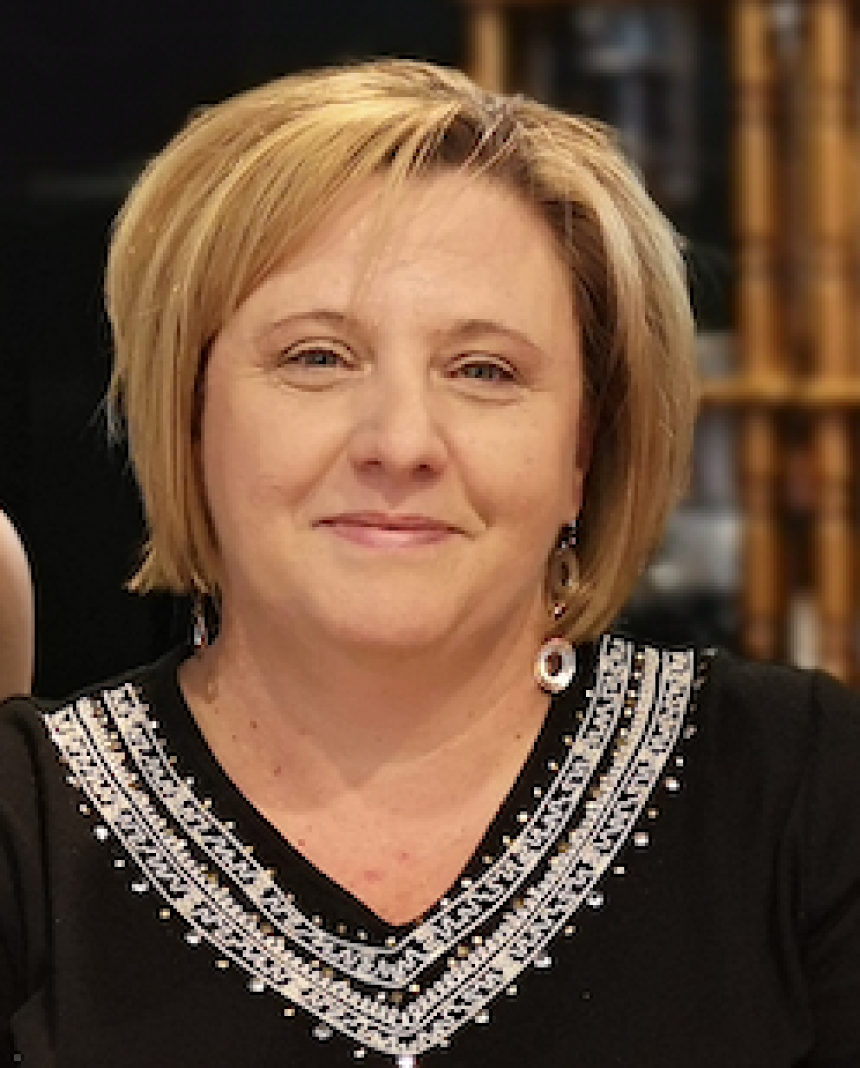
APrf Cheryl Shoubridge
Associate Professor
School of Pharmacy and Biomedical Sciences
College of Health
Eligible to supervise Masters and PhD as Principal Supervisor - email supervisor to discuss availability.
Intellectual Disability Research LaboratoryIdentification of genes and understanding of molecular mechanisms leading to intellectual disabilities, autisms and some epilepsies represents a challenge of significant medical importance. Our research seeks to further our understanding of human brain function through the identification of genes and characterisation of their naturally occurring mutations implicated in various disorders of the brain.Led by A/Prof Cheryl Shoubridge, the Intellectual Disability Research laboratory focuses on identifying the molecular mechanisms and functional impact of mutations in genes causing X-linked intellectual disability (XLID).
Research Interests
The key areas of research include:
- Utilize primary neuronal cell culture models to investigate the functional impact of patient mutations in genes involved in X-linked Intellectual disability, in particular the ARX and IQSEC2 genes.
- Animal models to investigate functional impact of the two most frequent expanded polyalanine tract mutations in the ARX gene.
- Establish the molecular mechanisms of disease associated with disease causing variants to understand the impact on brain development leading to intellectual disability and the broad spectrum of associated clinical symptoms in affected patients, including epilepsy.
Available research Projects for Honours and HDRs
Project 1
Title: Towards treating IQSEC2 associated intellectual disability, autism and epilepsy
Description:Drugs and treatments targeting the molecular pathophysiology induced by a genetic cause will be validated using primary hippocampal neuronal cultures in conjunction with a CRISPR generated KO mouse modelling human mutations which recapitulate the ID, social behavioral abnormalities and epilepsy seen in human patients. We focus on the geneIQSEC2which has been associated these disorders in male and increasingly in female children.
Projects available for: Honours and HDR
Location:AHMS
Research project start:Semester 1 or 2
Project 2
Title:Mechanisms of 17B-estradiol treatment improving intellectual disability and seizures
Description:The current project seeks to characterize and understand the drivers underpinning phenotypic improvements following a postnatal treatment strategy in a genetic mouse model of intellectual disability and seizures. This project focuses on the two most frequent expanded polyalanine tract mutations in the ARX gene. The key approaches will investigate animal models including seizure monitoring and behavioral analysis, through to RNASeq to examine transcriptome wide changes and associated changes to interneuron populations in the developing brain.
Projects available for: Honours and HDR
Location: AHMS
Research project start: Semester 1 and 2
| Date | Position | Institution name |
|---|---|---|
| 2022 - ongoing | Post Graduate Coordinator | University of Adelaide |
| 2021 - ongoing | Course Coordinator - Biology of childhood and adolescent health (3rd yr) | University of Adelaide |
| 2014 - ongoing | Research Leader, Robinsons Research Institute | University of Adelaide |
| 2013 - ongoing | Associate Professor, School of Paediatrics and Reproductive Health | University of Adelaide |
| 2013 - ongoing | Head, Intellectual Disability Research | University of Adelaide |
| 2011 - 2012 | MS McLeod Research Fellowship | SA Pathology |
| 2010 - 2014 | Honours Coordinator (Paediatrics) | University of Adelaide |
| 2007 - 2010 | NHMRC Peter Doherty Biomedical Training Fellow | SA Pathology |
| 2002 - 2007 | Grant Funded Scientist, Neurogenetics | SA Patholody |
| Date | Type | Title | Institution Name | Country | Amount |
|---|---|---|---|---|---|
| 2018 | Award | Service Excellence Award | Human Genetics Society of Australasia | Australia | - |
| 2013 | Fellowship | Australian Research Council Future Fellowship | - | - | - |
| 2012 | Award | President of SA branch of the Human Genetics Society of Australasia | - | - | - |
| 2011 | Fellowship | MS McLeod Research Fellowship | - | - | - |
| 2009 | Award | Human Genetics Society of Australasia international travel award | - | - | - |
| 2007 | Fellowship | NHMRC Peter Doherty Biomedical Training Fellowship | - | - | - |
| 1998 | Award | Australian Postgraduate Award | - | - | - |
| Date | Institution name | Country | Title |
|---|---|---|---|
| 2002 | Flinders University | Australia | PhD (Physiology) |
| 1998 | The University of Adelaide | Australia | Bachelor of Science- First Class Honours (Physiology) |
| 1992 | Flinders University | Australia | Bachelor of Science |
| Date | Title | Institution name | Country |
|---|---|---|---|
| 2016 | Animal Ethics and Welfare Induction update | University of Adelaide | Australia |
| Year | Citation |
|---|---|
| 2026 | Neadley, K., Koch, J., Gough, F., Smith, A., Hocking, C., Chan, L., . . . Shoubridge, C. (2026). A Health Navigator intervention in an outpatient Australian setting to address the social needs of a population living with cancer. In INTERNATIONAL JOURNAL OF INTEGRATED CARE Vol. 26 (pp. 2 pages). UBIQUITY PRESS LTD. DOI |
| 2024 | Lee, H. L., Chan, L. L. H., Watson, L. E., Jalleh, R. J., Lee, P., Shoubridge, C., & Zimmermann, A. T. (2024). Factors predicting persistently high HbA<sub>1c</sub> levels in adults with type 1 diabetes. In DIABETOLOGIA Vol. 67 (pp. S170-S171). SPAIN, Madrid: SPRINGER. |
| 2016 | Zerem, A., Haginoya, K., Lev, D., Blumkin, L., Kivity, S., Linder, I., . . . Lerman-Sagie, T. (2016). THE MOLECULAR AND PHENOTYPIC SPECTRUM OF <i>IQSEC2</i> RELATED EPILEPSY. In EPILEPSIA Vol. 57 (pp. 21-22). WILEY. |
| 2015 | Shoubridge, C., Hinze, S., Lie, S., & Jolly, L. (2015). Functional deficit of IQSEC2, a known intellectual disability gene, disrupts normal dendritic spine morphogenesis. In JOURNAL OF NEUROCHEMISTRY Vol. 134 (pp. 308-309). Cairns, AUSTRALIA: WILEY-BLACKWELL. |
| 2009 | Shoubridge, C., Tan, M., Fullston, T., McGillivray, G., Mancini, G., & Gecz, J. (2009). Unravelling the pathogenesis of the ARX homeobox mutations; role of IPO13. In Proceedings of 59th Annual meeting of the American Society of Human Genetics (pp. 0 pages). USA: American Society of Human Genetics. |
| 1998 | Steeb, C. B., Shoubridge, C. A., Lamb, J., Howarth, G. S., & Read, L. C. (1998). Role of insulin-like growth factor-I in gastrointestinal growth and repair. In K. Takano, N. Hizuka, & S. I. Takahashi (Eds.), MOLECULAR MECHANISMS TO REGULATE THE ACTIVITIES OF INSULIN-LIKE GROWTH FACTORS Vol. 1151 (pp. 331-339). TOKYO, JAPAN: ELSEVIER SCIENCE BV. |
| Year | Citation |
|---|---|
| 2019 | Palmer, E. E., Sachdev, R., Macintosh, R., Kandula, T., Minoche, A., Puttick, C., . . . Kirk, E. (2019). How far can we go? Whole genome sequencing, periodic reanalysis and international collaborations expands our understanding of the causes of developmental and epileptic encephalopathy. Poster session presented at the meeting of European Journal of Human Genetics Conference (ESHG). Gothenburg, Sweden: Springer Nature. |
| 2018 | Padula, A., Poeta, L., Shoubridge, C., Valentino, M., Attianese, B., vanBokhoven, H., . . . Miano, M. (2018). Neurodevelopmental disorders linked to Aristaless homeobox gene: A "fault disease model". Poster session presented at the meeting of EUROPEAN JOURNAL OF HUMAN GENETICS. Copenhagen, DENMARK: NATURE PUBLISHING GROUP. |
| 2008 | Tarpey, P., Dibbens, L. M., Hynes, K., Smith, R., Edkins, S., Teague, J., . . . Gecz, J. (2008). X-linked protocadherin 19 mutations cause female-limited epilepsy and cognitive impairment. Poster session presented at the meeting of JOURNAL OF MEDICAL GENETICS. Univ York, York, ENGLAND: BMJ PUBLISHING GROUP. WoS7 |
| Year | Citation |
|---|---|
| 2026 | Litster, T., Wilcox, R., Carroll, R., Gardner, A., Nazri, N., Shoubridge, C., . . . Gecz, J. (2026). Duplication within 14q32.13 implicates a chimeric <i>CLMN</i> :: <i>SYNE3</i> RNA transcript in cerebellar ataxia. DOI |
| 2025 | Neadley, K. E., Downes, M., Chan, L., Poirier, B., Lynch, J., Boyd, M., & Shoubridge, C. (2025). A Health Navigator intervention to address the unmet social needs of caregivers of hospitalised children in South Australia: protocol for a mixed-methods pilot study. DOI |
| 2024 | Shoubridge, C., Maddison, J., Lynch, J., & Boyd, M. (2024). Profiling health and socioeconomic disadvantage in the northern Adelaide Local Health Network population. DOI Europe PMC3 |
Competitive Research Grants and other funding
I have received ~ $5.3 million in competitive funding since 2007, most as lead investigator, including ~$800,000 since 2021.
Selected funding shown.
| 2025 | Australian Functional Genomics Network Catalyst Grant | $45,000 |
| 2024 | The Hospital Research Foundation | $100,000 |
| 2024 | Women's and Children's Health Research Fund | $200,000 |
| 2024 | IQSEC2 Research and Advocacy Foundation Research Grant | $45,000 |
| 2023-2024 | Channel 7 Children’s Research Foundation Grant | $100,000 |
| 2022-2023 | The Hospital Research Foundation | $180,000 |
| 2021 | University of Adelaide, FHMS Near Miss funding | $94,000 |
| 2016-2019 | NHMRC project grant App1099538 | $683,622 |
| 2016, 2014, 2013 | Channel 7 Children’s Research Foundation Grant | $ 75,000 each |
| 2014-2016 | NHMRC project grant App1059120 (CIC) | $534,021 |
| 2014-2016 | NHMRC project grant App1063025 | $576,174 |
| 2014 | Women’s and Children’s Hospital Foundation Grant | $ 75,000 |
| 2013-2016 | Australian Research Council Future Fellowship | $787,989 |
| 2011-2013 | NHMRC project grant App1002732 | $433,786 |
| 2011-2013 | NHMRC project grant App1006586 | $526,706 |
| 2011-2012 | MS McLeod Research Fellowship | $235,000 |
| 2007-2010 | NHMRC Peter Doherty Biomedical Training Fellowship | $235,000 |
Since 2021 I have been the course coordinator for Bachelor of Health Science PAEDIAT_3000 Biology of Childhood Growth, Development and Health.
In this course, students will investigate the biological processes underlying infant, child and adolescent growth, development and health. This will include discussion of normal and perturbed neonatal, infant, child and adolescent growth and development. The course includes specific exploration of childhood and adolsecent neurodevelopment and assessment, endocrinology of growth and puberty, development of the immune system including a focus on the microbiome and development of autoimmunity. We will consider prenatal diagnosis and common genetic disorders in childhood. We will investigate the biology, prevention and management of common childhood diseases inlcuding paediatric sleep disorders, the implications and prevention of obesity in childhood and conclude with discussions of infectious disease in childhood. Social and ethical implications of current practice, interventions and research will be discussed within appropriate topics. Students will have opportunities to hear from scientists and practitioners with relevant expertise. Active learning will be encouraged, for example, through guided reading and group exercises. Students will enhance skills in analysis of literature and in creating a coherent written account of a body of work.
| Date | Role | Research Topic | Program | Degree Type | Student Load | Student Name |
|---|---|---|---|---|---|---|
| 2022 | Principal Supervisor | Situating place-based social care interventions in the Australian healthcare system: lessons and limitations | Doctor of Philosophy | Doctorate | Full Time | Miss Kate Emily Neadley |
| 2017 | Co-Supervisor | bHLH PAS and HD protein interactions in neuronal development and pathology | Doctor of Philosophy | Doctorate | Full Time | Mr Joseph James Rossi |
| Date | Role | Research Topic | Program | Degree Type | Student Load | Student Name |
|---|---|---|---|---|---|---|
| 2017 - 2021 | Principal Supervisor | Analysis of Treatment Efficacy and Molecular and Cellular Outcomes in Mouse Models of Congenital Epilepsy and Intellectual Disability | Doctor of Philosophy | Doctorate | Full Time | Miss Karagh Eleni Loring |
| 2013 - 2017 | Principal Supervisor | Investigating the Pathogenic Mechanism of Expanded Polyalanine Tract Mutations in the ARX Homeobox Transcription Factor Causing Intellectual Disability | Doctor of Philosophy | Doctorate | Full Time | Tessa Renee Mattiske |
| Date | Role | Committee | Institution | Country |
|---|---|---|---|---|
| 2016 - ongoing | Member | GRP – Neurosciences for the NHMRC project grant funding round | - | - |
| 2015 - ongoing | Member | Scientific Programming committee, HGSA Conference (Perth) | - | - |
| 2015 - ongoing | Chair | Programming committee, Human Genetics Society of Australasia | - | - |
| 2015 - ongoing | Chair | HGSA Adelaide Symposia on Advances in Genomic Medicine – Excitement vs Reality | - | - |
| 2014 - ongoing | Member | Scientific Programming committee, HGSA Conference (Adelaide) | - | - |
| 2014 - ongoing | Chair | organising committee, HGSA Conference (Adelaide) | - | - |
| 2014 - ongoing | Chair | Australian Society of Medical Research conference (Adelaide) | - | - |
| 2013 - ongoing | Member | Organising committee, 16th Fragile X and Early-Onset Cognitive Disorders workshop | - | - |
| 2012 - 2014 | Member | Royal Adelaide Hospital Clinical and Scientific Fellowship committee | - | - |
| 2012 - ongoing | Member | Scientific Programming committee, HGSA Conference (Queenstown,NZ) | - | - |
| 2012 - ongoing | President | SA branch of the Human Genetics Society of Australasia | - | - |
| 2012 - ongoing | Council | Human Genetics Society of Australasia | - | - |
| 2012 - ongoing | Chair | HGSA Adelaide Symposia on Neurogenetics | - | - |
| 2010 - 2014 | Member | Research Education Committee | The University of Adelaide | - |
| 2010 - 2014 | Member | School Paediatrics and Reproductive Health Honours Program | - | - |
| 2010 - ongoing | Chair | HGSA Adelaide Symposia on Genomics – join the revolution | - | - |
| 2007 - 2012 | Secretary | SA Branch of the Human Genetics Society of Australasia | - | - |
| 2007 - ongoing | Chair | HGSA Adelaide Symposia on Animal Models and Human Biology | - | - |
| 2004 - 2009 | Member | Institutional Biosafety Committee | Women's and Children's Hospital | - |
| Date | Role | Membership | Country |
|---|---|---|---|
| 2018 - ongoing | Member | F1000Prime Faculty | United Kingdom |
| 2013 - ongoing | - | Australian Neuroscience Society | - |
| 2008 - ongoing | - | Australian Society Biochemists and Molecular Biologists | - |
| 2008 - ongoing | - | American Society of Human Genetics | - |
| 2006 - ongoing | - | Australian Society of Medical Research | - |
| 2002 - ongoing | - | Human Genetics Society of Australasia | - |


